
Class IV Laser Therapy
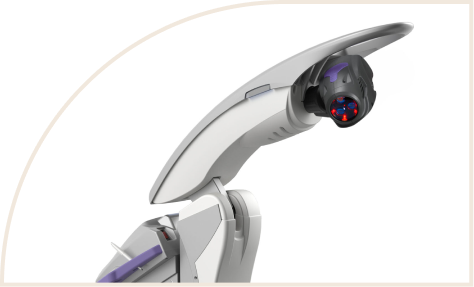
MLS M7 Laser Therapy
Powerful, Precise, Non-Invasive Healing
At Form & Function Orthopaedics, we invest in technologies that actually move the needle – in results, recovery, and relief. The MLS M7 Class IV Laser is one of the most advanced therapeutic lasers available today, offering safe, non-invasive treatment for pain, inflammation, and soft tissue injury.
Unlike standard cold lasers or Class III devices often used in PT and chiropractic clinics, the MLS M7 delivers deeper penetration, dual wavelengths, and a robotic delivery system for consistent, high-impact results. This isn’t just laser therapy – it’s a performance-grade tool for healing and longevity.
Why MLS M7 Laser?
Dual Wavelength Technology
Two synchronized wavelengths work simultaneously – one to reduce pain and inflammation, the other to stimulate cellular repair and tissue regeneration.Deeper Penetration
Most cold lasers used in PT settings have limited depth. The M7 reaches deeper tissues, including muscles, joints, and tendons – where real recovery begins.Consistency Through Robotics
The robotic head ensures precise, uniform delivery across the treatment area – eliminating variability and maximizing effectiveness.Higher Power. Safer Delivery
As a Class IV laser, the M7 is significantly more powerful than lower-class lasers, yet is engineered for safety and comfort with no downtime, heat, or discomfort.
How We Use It
- Acute injuries: sprains, strains, and sports trauma
- Post-surgical recovery and scar healing
- Tendonitis, bursitis, plantar fasciitis
- Arthritis and joint degeneration
- Back and neck pain
- Nerve pain, including neuropathy
- Regenerative medicine support: accelerates healing post-PRP and adipose therapy
MLS vs. Standard Laser Therapy
| Feature | MLS M7 Class IV | Most PT/Chiropractic Lasers |
| Laser Class | Class IV | Class IIIB or below |
| Power Output | High (25W peak) | Low to moderate |
| Wavelengths | Dual (808 nm + 905 nm) | Single wavelength |
| Depth of Penetration | Deep (up to 5 cm+) | Shallow (<2 cm) |
| Delivery | Robotic, consistent | Manual, variable |
| Effectiveness | Therapeutic + regenerative | Typically palliative |
Level Up Your Recovery
The MLS M7 isn’t just about symptom relief – it’s about optimizing how your body heals. Whether you’re rebounding from injury, calming a chronic condition, or enhancing regenerative treatment, this is next-generation healing without surgery or downtime.
Science-backed. Athlete-tested. Precision-delivered.
Class IV Laser Therapy Q&A
Frequently Asked Questions
Does Class IV laser therapy actually work, or is it a gimmick?
Class IV laser (photobiomodulation) has real, mechanism supported evidence for reducing pain and inflammation and improving function in conditions like knee osteoarthritis, tendinopathy, and low back pain, typically over a course of 6 to 12 sessions. It is not a cure, and evidence for long term structural tissue change is still developing, but short to medium term pain and function benefits are well supported in clinical trials.
How does Class IV laser therapy work?
The laser delivers red and near infrared light that’s absorbed by mitochondria in your cells, increasing ATP (cellular energy) production. This drives a cascade of effects: reduced inflammatory cytokines, improved local blood flow, and modulation of pain signaling, which together reduce pain and support tissue repair.
How many laser sessions do I need to see results?
Most clinical protocols use 6 to 12 sessions, and many patients notice some improvement within the first few treatments. Chronic or more advanced conditions typically require the fuller course to see meaningful, lasting change.
Is Class IV laser therapy safe? Any side effects?
Yes, it’s non invasive and drug free with a strong safety profile. It’s contraindicated over active malignancy, directly over the eyes without protection, and during pregnancy over the abdomen or pelvis. Your provider will screen for these before treatment.
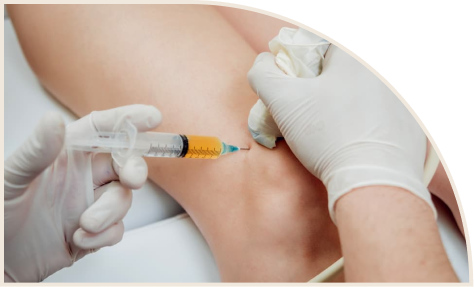
Can laser therapy replace PRP or BMAC for joint pain?
No, they work differently and are often used together rather than as substitutes. Laser therapy reduces inflammation and pain and supports the healing environment; PRP and BMAC introduce concentrated healing factors directly into the joint or tissue. Many patients use laser therapy alongside or following a regenerative injection to support recovery.