
Elbow
Top Elbow Specialist In Portland
Common elbow sports conditions often arise from repetitive motions and high-impact activities, leading to various injuries that affect athletes across different sports. Tennis elbow (lateral epicondylitis) and golfer’s elbow (medial epicondylitis) are prevalent overuse injuries characterized by inflammation of the tendons on the outer and inner sides of the elbow, respectively, causing pain and tenderness. Ulnar collateral ligament (UCL) injuries are particularly common among throwing athletes, like baseball pitchers, who put significant stress on the inner elbow, potentially leading to ligament tears or ruptures. Olecranon bursitis, resulting from direct blows or repeated pressure on the elbow, causes swelling and discomfort due to inflammation of the bursa. Elbow dislocations, often from falls or collisions, can lead to severe pain and loss of joint function. Flexor tendinitis and distal biceps tendon ruptures, stemming from overuse or sudden heavy lifting, further illustrate the range of conditions that can impact elbow health in sports, highlighting the importance of proper technique, conditioning, and timely medical intervention.
Portland’s Top Tennis Elbow Expert
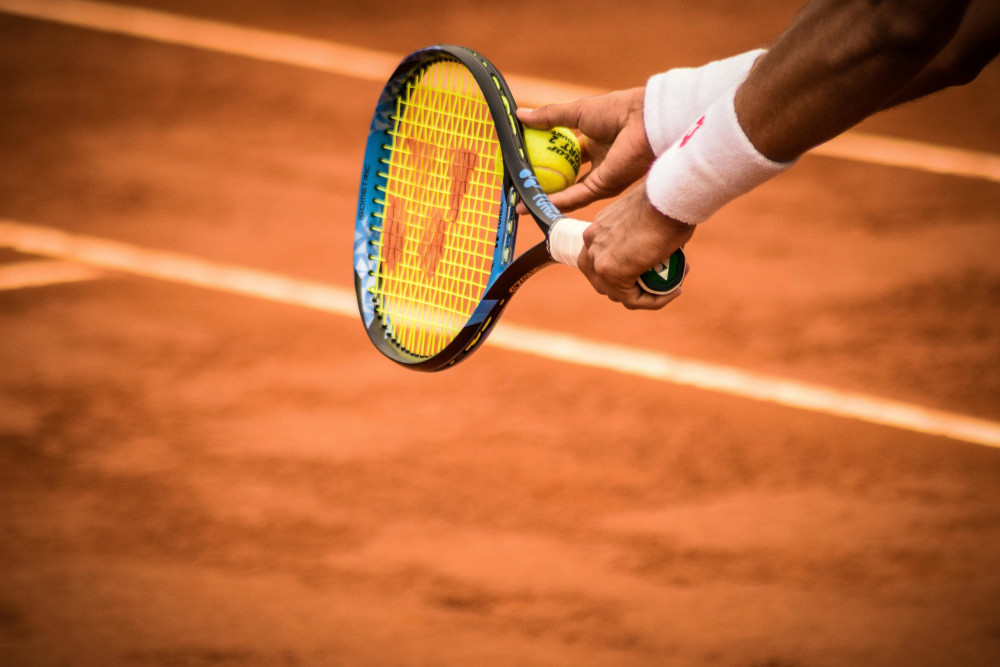
Tennis elbow, or lateral epicondylitis, is a common overuse injury characterized by pain and tenderness on the outer side of the elbow due to inflammation of the tendons. This condition often affects athletes and individuals engaged in repetitive wrist and arm movements, leading to discomfort and impaired function. Regenerative medicine offers promising treatment options, such as platelet-rich plasma (PRP) therapy and stem cell therapy. PRP involves injecting concentrated platelets from the patient’s blood into the affected area to accelerate healing and reduce inflammation. In cases where conservative treatments fail, surgical intervention may be necessary to remove damaged tissue and stimulate natural healing processes. Both regenerative medicine and surgery aim to restore elbow function, alleviate pain, and enable patients to return to their activities with improved strength and mobility.
As an expert of the full spectrum of musculoskeletal care, Dr. Shipley can guide the patient through all phases of the disease. Many patients are surprised to hear that Dr. Shipley emphasizes non-surgical treatment if surgery can be avoided.
Bicep Injury Expert
Distal biceps injuries involve the tearing or rupturing of the tendon that connects the biceps muscle to the forearm at the elbow. This injury typically results from sudden, forceful activities such as lifting heavy weights or a sudden increase in physical exertion. Patients with distal biceps injuries often experience severe pain, swelling, and a noticeable deformity in the upper arm, along with reduced strength in elbow flexion and forearm rotation. Surgical treatment is almost always recommended with rare exception for active individuals, involving a procedure known as biceps tendon repair or reattachment. During surgery, the damaged tendon is reattached to its original insertion point on the forearm using sutures or anchors. Post-surgery, a structured rehabilitation program is crucial for restoring strength, range of motion, and functional use of the arm, allowing patients to return to their pre-injury activities with improved stability and performance.

Frequently Asked Questions
What are the symptoms of common elbow sports injuries, and how can I differentiate between them?
Patients want to understand the signs of various conditions like tennis elbow, golfer’s elbow, and UCL injuries to seek timely treatment.
What treatment options are available for my specific elbow injury, and how do they compare?
Patients are interested in knowing whether conservative treatments, such as physical therapy and medications, or more advanced options like regenerative medicine or surgery are best for their condition.
What is the expected recovery time for my elbow injury, and what will the rehabilitation process involve?
Understanding the duration and nature of recovery helps patients plan their return to sports and daily activities.
Can preventive measures or modifications in technique help avoid future elbow injuries?
Patients often seek advice on how to prevent recurrence of elbow injuries through proper technique, conditioning, and ergonomics.
How can regenerative medicine help with elbow problems?
Regenerative medicine offers innovative treatments for elbow problems by harnessing the body’s natural healing processes. Techniques such as platelet-rich plasma (PRP) therapy and stem cell therapy are particularly effective for treating conditions like tennis elbow and tendon injuries.
How effective are regenerative medicine treatments compared to traditional methods?
Regenerative medicine treatments can be highly effective, particularly for chronic or severe elbow conditions that have not responded well to traditional methods like physical therapy or medications. They often provide quicker pain relief and functional improvement with fewer side effects compared to invasive surgical options.