
Understanding Common Knee Sports Injuries: Treatments, Surgery & Regenerative Medicine Options
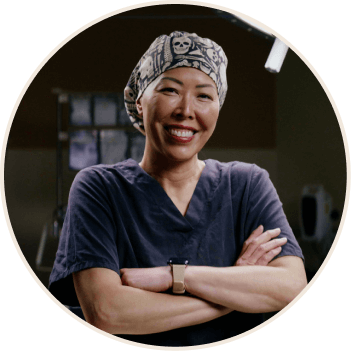
Dr. Nancy Yen Shipley
Board-Certified Orthopaedic Surgeon
Founder, Form & Function Orthopaedics
If you’re an active individual who’s ever dealt with knee pain, you’re not alone. Whether you’re a weekend warrior, an avid skier, or just love a good pickup game of basketball, knee injuries can happen to anyone. I’m Dr. Nancy Yen Shipley, an orthopedic surgeon and sports medicine specialist, and in this blog, we’re going to break down some of the most common knee sports injuries, how we treat them, and the exciting role regenerative medicine can play when you’re not quite ready for surgery.
Cruciate Ligament Injuries: ACL and PCL
The ACL (anterior cruciate ligament) and PCL (posterior cruciate ligament) are two major stabilizers inside the knee. ACL injuries are particularly common in sports that involve sudden pivots or directional changes, like soccer and basketball. A torn ACL often requires surgical reconstruction, especially in athletes and active adults.
PCL injuries, on the other hand, are less common and typically result from a direct blow to the knee. Depending on severity, PCL injuries can often be treated non-surgically with bracing and physical therapy, though surgery is sometimes necessary.
Collateral Ligament Injuries: MCL and LCL
The MCL (medial collateral ligament) and LCL (lateral collateral ligament) provide stability on the inner and outer sides of the knee. MCL injuries are more common and usually respond well to conservative treatments such as rest, physical therapy, and bracing. LCL injuries are rarer but may require surgical repair when severe.
Meniscus Tears
The meniscus acts as a shock absorber between your thighbone and shinbone. Tears typically occur from twisting movements, especially in sports like football, skiing, and basketball. Small, stable tears might heal with time and therapy, but more complex tears often need surgery. For younger and active patients, we aim to preserve and repair the meniscus when possible.
Articular Cartilage Damage
Articular cartilage allows for smooth joint motion. Damage to this cartilage can cause pain, swelling, and lead to arthritis if untreated. Depending on the extent of the injury, treatments range from microfracture surgery and cartilage grafting to newer regenerative procedures that aim to restore or replace the damaged tissue.
Tendonitis: Patellar and Quadriceps
Patellar tendinitis (“jumper’s knee”) and quadriceps tendinitis are common in athletes who do a lot of jumping or squatting. These conditions often respond well to rest, physical therapy, and anti-inflammatory strategies. When symptoms persist, regenerative medicine techniques like PRP injections can provide relief by promoting healing directly at the source of pain.
The Role of Regenerative Medicine in Knee Injuries
Regenerative medicine is an exciting frontier in orthopedics. Treatments like Platelet-Rich Plasma (PRP) and Bone Marrow Aspirate Concentrate (BMAC) work by harnessing your body’s own healing factors. PRP involves using concentrated platelets from your blood, while BMAC uses stem cells from your bone marrow. These therapies are especially helpful for:
- Early cartilage damage
- Tendon and ligament injuries
- Meniscus tears not requiring surgery
For patients who fall in the “in-between” category-not ready for surgery, but not improving with standard care-these treatments can be a powerful tool to relieve pain and restore function.
Treatment Options: What’s Right for You?
Every knee injury is unique. The right treatment depends on your activity level, goals, age, and the severity of the injury. For some, physical therapy and bracing may be enough. Others may benefit from regenerative treatments or surgical repair.
The key is early diagnosis and a personalized plan. The sooner we understand the root cause of your knee pain, the sooner we can help you get back to doing what you love-pain-free.
Noteworthy Innovation: BEAR ACL Repair
One exciting development in ACL treatment is the BEAR (Bridge-Enhanced ACL Repair) procedure. Unlike traditional ACL reconstruction, BEAR uses a collagen implant to help the ACL heal naturally, preserving the native ligament. This method shows promise for younger athletes seeking a quicker and more natural recovery.
Let’s Get You Moving Again
If you’re experiencing knee pain, don’t wait. Early intervention can significantly improve your outcome. Whether it’s conservative care, advanced imaging, regenerative injections, or surgery, we’re here to guide you every step of the way.Visit f2ortho.com to schedule a consultation or learn more about how we help active adults stay in the game.