
Reclaiming Movement: How PRP Therapy Can Help You Take Back Your Life from Knee Arthritis
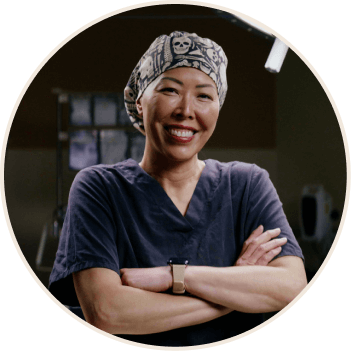
Dr. Nancy Yen Shipley
Board-Certified Orthopaedic Surgeon
Founder, Form & Function Orthopaedics
If you are living with knee arthritis, you already know how much it can take from your day. Your comfort, your confidence, and your ability to move the way you want can change in ways that feel sudden and frustrating. Whether your goal is taking long walks, traveling, kneeling to garden, playing with your kids or grandkids, or simply getting through the day without planning your movements around pain, the impact is real.
At Form and Function Orthopaedics, we meet patients every day who have tried many standard treatments. They often tell us they feel discouraged and unsure what comes next. That is where Platelet-Rich Plasma, also known as PRP, can be part of a new path.
What Is PRP Therapy?
PRP uses a concentrated portion of your own blood. Platelets contain growth factors that help support healing responses in the body. By concentrating them and placing them directly into the area of concern, PRP can help calm joint irritation and support tissue health.
- The process is straightforward.
- A small amount of blood is drawn.
- It is spun in a centrifuge to isolate a high concentration of platelets.
- The PRP is then injected into the knee joint using ultrasound guidance for accuracy. The visit typically takes less than forty five minutes.
Why PRP Is Being Used More Often for Knee Arthritis
For individuals with mild to moderate arthritis, or those who have not improved with physical therapy, activity modification, or oral medications, PRP offers a natural option that does not involve steroids or surgery.
Based on multiple clinical studies, PRP has shown potential benefits such as improved comfort, decreased stiffness, and better knee function for select patients compared with saline or steroid injections. Research published in the American Journal of Sports Medicine, the Journal of Arthroscopy, and the Journal of Orthopaedic Research supports PRP as a treatment that may help reduce symptoms and improve quality of life for some individuals with early to moderate knee osteoarthritis.
Different people respond differently, and no treatment works for everyone. However, for the appropriate candidate, PRP can be a meaningful tool within a larger care plan.
Why PRP Appeals to Women in Their Forties and Fifties
Many women notice increased joint discomfort during perimenopause. Hormonal shifts can make joints more sensitive and recovery from activity more difficult.
PRP is appealing because:
- It is created from your own blood.
- It avoids systemic medications.
- It focuses on local treatment of the knee rather than whole-body effects.
- It may complement strength programs and activity progression.
- For active midlife women who want to stay strong, mobile, and engaged in their favorite activities, these features matter.
Why We Use Corticosteroid Injections Sparingly for Knee Arthritis
Corticosteroids remain a tool in orthopedic care, especially during severe flares. However, they are not ideal as a regular long-term strategy.
Here is why we use them thoughtfully.
- Relief is often short-lived. Many people experience only temporary improvement.
- Repeated use may affect cartilage over time. Some studies have associated frequent steroid injections with increased cartilage thinning in certain individuals.
- They do not support long-term joint health goals. Steroids calm inflammation but do not contribute to joint preservation.They may irritate the joint in a subset of patients. Post-injection flare can happen and may limit short-term mobility.
For these reasons, we often discuss alternatives when appropriate and aim for a treatment plan that supports both comfort and long-term function.
PRP Is One Part of a Larger Plan
Your treatment approach may include:
- Activity modifications that match your goals
- Strength and neuromuscular training
- Weight optimization, if needed
- Bracing or supportive devices
- Ultrasound-guided PRP
- Other orthobiologic options when appropriate
- Modern surgical solutions are used when non-surgical approaches are not enough.
- Your goals guide the strategy.
What to Expect After PRP
Most people return to daily activities right away, although we recommend avoiding high-impact exercise for several days. Some soreness is normal for a short period.
Improvement often develops gradually over four to twelve weeks. Studies suggest the benefits may last months or longer for select patients.
As with all treatments, results vary, and a consultation helps determine whether PRP may be a good fit.
You Do Not Have to Live with Knee Pain
If you are tired of planning your life around knee discomfort, there are options. PRP may be a turning point for you or an important step within a broader care plan.
At Form and Function Orthopaedics, you receive thoughtful evaluation, ultrasound-guided precision, and a full range of non-surgical and surgical care. You are never pushed into a single option. You are guided toward the one that serves you best.
Ready to explore whether PRP is right for you
Schedule your consultation today and take the first step toward improved comfort and mobility.