
Orthobiologics

Top Regenerative Medicine Specialist in Portland, Oregon
UNDERSTANDING ORTHOBIOLOGICS
Orthobiologics, also known as regenerative medicine, was a term coined at the beginning of the 21st century to describe medicine that uses natural substances from the body to help repair, regenerate, and restore function to damaged tissues. The term came about as scientists in regenerative medicine began to think more about regenerating damaged tissue and stimulating that regeneration, rather than just focusing on joint reconstruction and fracture fixture. This field has gained significant attention in the treatment of musculoskeletal injuries, which includes conditions affecting bones, muscles, tendons, and joints.
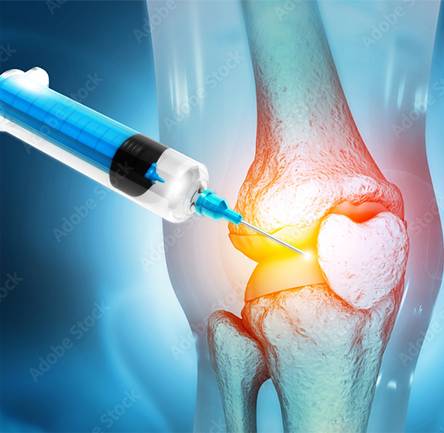
Orthobiologics includes a broad spectrum of treatments, such as platelet-rich plasma (PRP), bone marrow aspirate concentrate (BMAC), micro-fragmented adipose tissue (MFAT) and shockwave therapy. These treatments are increasingly being used to address various orthopedic conditions, such as supporting natural healing, supporting tissue regeneration and reducing inflammation. For instance, these therapies can support the body’s capacity to recover from repetitive use injuries like strains to ligaments or tendons, cartilage damage, or even fractures, as well as ease pain and other osteoarthritis symptoms. These therapies present viable alternatives or complements to traditional surgical interventions and pain management approaches.
As an expert of the full spectrum of musculoskeletal care, Dr. Shipley can guide the patient through all phases of the disease. Many patients are surprised to hear that Dr. Shipley emphasizes non-surgical treatment if surgery can be avoided.
PRP Treatment Near You
PLATELET-RICH PLASMA
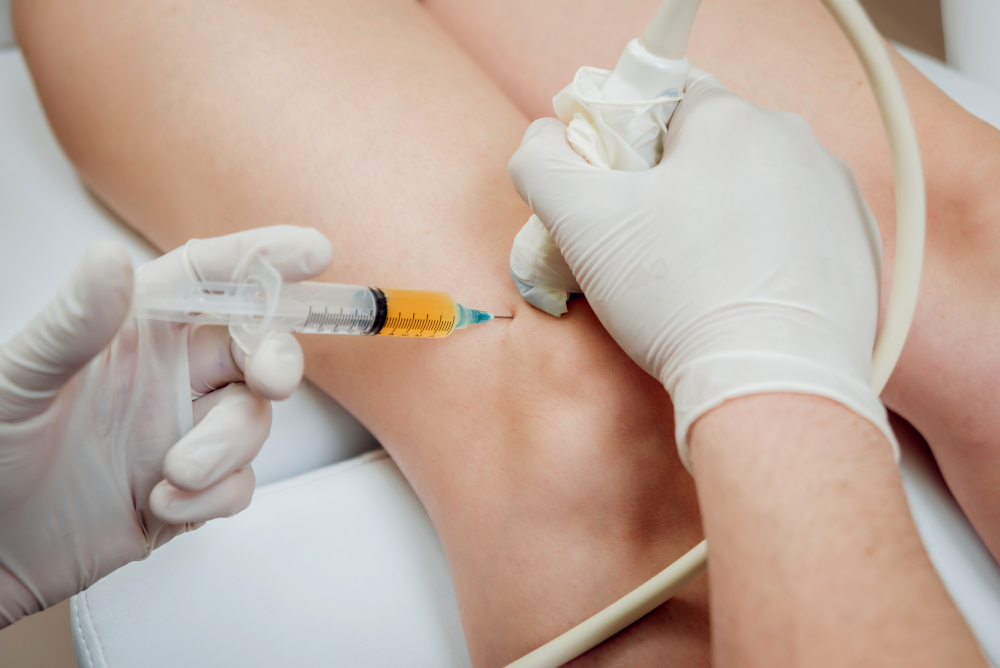
Blood is mostly liquid, but it also contains important components like platelets, which are best known for helping blood clot. However, platelets have another powerful function: they contain proteins called growth factors that are crucial for healing injuries. Platelet-rich plasma (PRP) is a treatment that involves taking a small amount of your own blood, concentrating the platelets, and then injecting this solution into an injured area. When PRP is injected, the growth factors are released directly into the damaged tissue, boosting your body’s natural healing process. This can encourage cell growth and tissue repair, offering a promising way to recover from injuries without the need for surgery. For many people, PRP might be a great option to consider before exploring surgical solutions
Bone Marrow Aspirate Concentrate (BMAC)
Bone marrow aspirate concentrate (BMAC) is a regenerative treatment derived from a patient’s own bone marrow, which contains a rich mixture of stem cells and growth factors. These stem cells have the potential to differentiate into various types of tissue, while the growth factors play a crucial role in signaling and promoting the healing process. BMAC is obtained through a minimally invasive procedure, where bone marrow is aspirated, typically from the pelvis, and then concentrated to increase the number of beneficial cells. Once prepared, BMAC is injected into the targeted area, where it is thought to enhance the body’s natural healing response, aiding in the repair and regeneration of damaged tissues, such as cartilage, tendons, and ligaments. This therapy is particularly appealing in orthopedic and sports medicine, as it offers a potential non-surgical option for tissue repair and pain relief
Stem Cell Expert
STEM CELL THERAPY
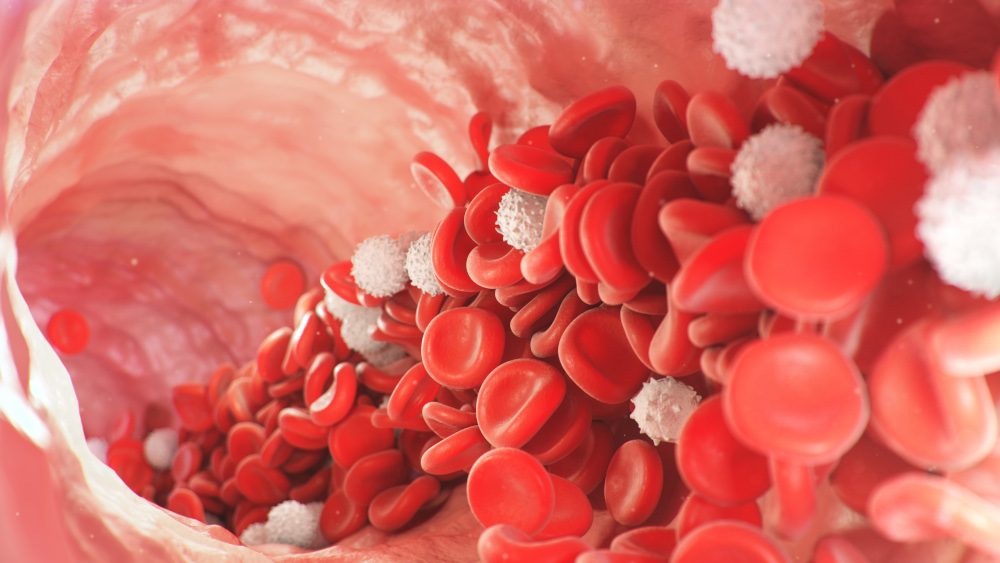
Stem cells are unique cells with the ability to develop into different cell types in the body. Stem cells are being researched for their potential to aid in the regeneration of damaged tissues. Initially, it was believed that stem cells could generate new cells to replace and repair damaged tissues, such as cartilage in joints. However, there is minimal evidence that the injected stem cells survive long enough to proliferate and form healthy new tissue. Instead, it now seems that the primary benefit of implanting these cells lies in their role as “signaling cells.”
While there is promising research, many stem cell treatments are still undergoing clinical trials to determine their effectiveness and safety. Current studies are investigating their use in treating conditions such as orthopedic injuries and certain degenerative diseases. Some stem cell treatments have received FDA approval for specific uses. However, many applications of stem cell therapy are still under investigation, and the FDA continues to evaluate their safety and efficacy. Our stem cell treatments comply with FDA regulations and guidelines. We prioritize patient safety and adhere to the highest standards of care.
The FDA regulates stem cells closely and appropriately so, and only stem cell treatments that come from one’s own cells are felt to be safe for human use.
Adipose-Derived Cell Therapy
n select cases, we offer adipose-derived cellular therapy as an advanced regenerative option.
This technique involves harvesting a small amount of your body’s own fat tissue (typically from the abdomen or flank) and processing it using FDA-compliant minimal manipulation techniques to isolate a rich population of stromal vascular fraction (SVF), which contains a variety of regenerative cells.
Adipose-derived cells are believed to support a healthy tissue environment by:
- Modulating inflammation
- Supporting structural tissue integrity
- Enhancing the biologic environment for recovery
We use these therapies in accordance with current FDA guidelines, always with a focus on patient safety, ethical use, and evidence-based practices.
Note: Not all applications of adipose-derived cellular therapy are FDA-approved for specific conditions. A personalized consultation will determine if you may be an appropriate candidate
MLS Class IV Laser Therapy
To complement biologic treatments and maximize recovery, we also offer MLS Class IV Laser Therapy – a dual-wavelength laser technology designed to penetrate deeply into tissues without overheating, providing high-energy stimulation safely and effectively.
Benefits of MLS Laser Therapy may include:
- Reducing post-injection inflammation and swelling
- Supporting cellular repair and microcirculation
- Helping manage residual soreness naturally
- Enhancing overall recovery when used adjunctively after PRP or other regenerative therapies
MLS Laser is typically initiated a few days after regenerative injection procedures to avoid interfering with the early inflammatory healing phase.
Frequently Asked Questions
How do I prepare for a PRP injection?
It is important to be well-hydrated in the days leading up to the PRP injection, as this will allow for a more successful blood draw. You should remain off of anti-inflammatories such as Advil, Aleve, ibuprofen, Motrin for 2 weeks prior to the PRP treatment (exception is Celebrex, which should not interfere with the PRP treatment). Make sure you have discussed with your doctor a plan for your blood thinners or any medications for autoimmune diseases, if you take these medications.
What can I expect after a PRP injection?
You may have soreness after a PRP injection that usually subsides within hours. While you may perform your activities of daily living, it is advised to avoid sports and exercise for one week after the PRP injection. You may use Tylenol or if prescribed, Celebrex for pain relief but avoid anti-inflammatories for a minimum of two weeks (preferably four weeks) after the PRP treatment. Some patients report relief in 4-6 weeks after the treatment, but for others it may take longer.
With so many places offering orthobiologic treatments, how do I know which doctors to trust?
While trustworthy doctors are available in many areas, those who are board-certified and fellows of the American Academy of Orthopedic Surgeons (FAAOS) have met the stringent professional and ethical standards set by the AAOS, a recognized leader in musculoskeletal health.
Doctors with the FAAOS designation demonstrate a continuous commitment to staying updated on the latest advancements in biologics. They adhere to the standards outlined in the AAOS position statement, “Use of Emerging Biologic Therapies,” which guides their practice in using biologics.
Additionally, membership in the Interventional Orthobiologics Foundation means that the doctor is committed to the guidelines, standards, and ethics in the orthobiologics community.
Is orthobiologics/regenerative medicine covered by insurance?
Most insurers in the US do not cover PRP therapy. Patients interested in having PRP treatment are responsible for the full cost of the treatment. Current pricing for PRP treatment depends on the number of the injections and the locations.
Is orthobiologics FDA-approved?
Orthobiologics is a growing field of regenerative medicine. While there is promising research, the FDA continues to evaluate their safety and effectiveness.
Will orthobiologics work for me?
It’s important for patients to discuss the potential benefits and risks of orthobiologics with their physician. Each patient’s situation is unique, and treatments should be tailored accordingly.