
Arthritis
Top Arthritis Expert In Oregon
Arthritis is a broad term for conditions that cause inflammation and pain in the joints, leading to symptoms like swelling, stiffness, and reduced mobility. The most common type, osteoarthritis, involves the gradual deterioration of cartilage due to wear and tear, primarily affecting weight-bearing joints and associated with aging and repetitive stress. In contrast, rheumatoid arthritis is an autoimmune disorder where the body’s immune system attacks the synovial lining of joints, causing chronic inflammation, joint damage, and systemic symptoms like fatigue. Other inflammatory arthritis conditions, such as psoriatic arthritis and gout, involve different underlying mechanisms and symptoms, with psoriatic arthritis linked to the skin condition psoriasis and gout caused by uric acid crystal accumulation. Each type requires tailored treatment approaches to manage symptoms and improve joint function.

Non-surgical Joint Preservation Expert
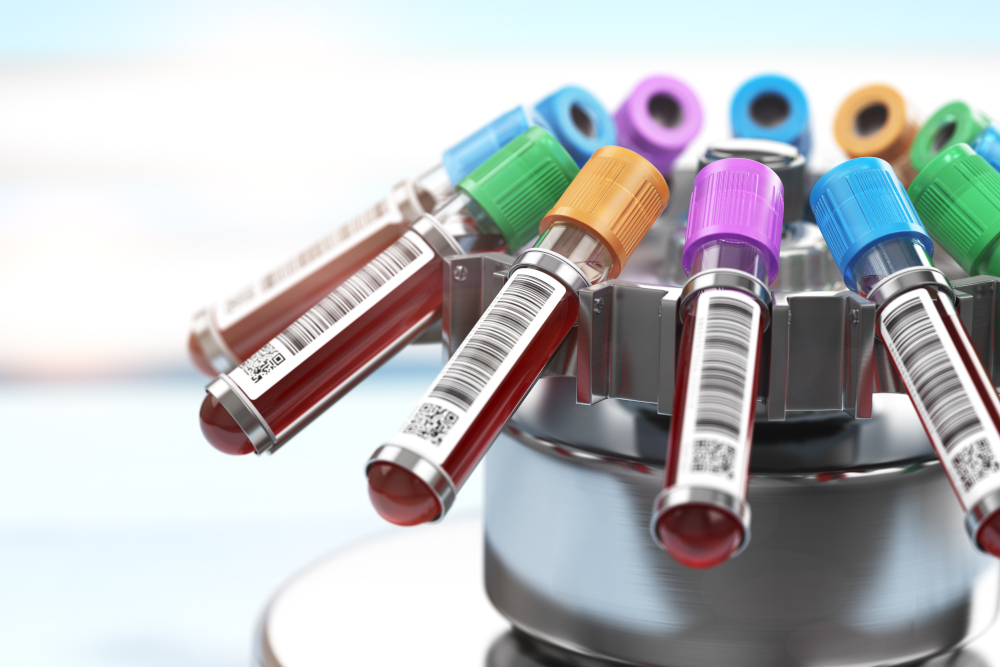
Non-surgical treatments for arthritis aim to alleviate symptoms, improve joint function, and enhance quality of life through various approaches. Regular exercise and physical therapy (PT) are essential for strengthening muscles around the affected joints, increasing flexibility, and reducing pain. Anti-inflammatory medications, such as NSAIDs, help manage pain and swelling. orthobiologics, including platelet-rich plasma (PRP) injections, use concentrated platelets from the patient’s blood to promote healing and reduce inflammation. Shockwave therapy, which delivers acoustic waves to the affected area, can stimulate tissue repair and reduce pain. Bracing provides support and stability to the joint, while acupuncture may offer pain relief and improved function through the stimulation of specific points on the body. These non-surgical options can be combined and tailored to individual needs to manage arthritis effectively.
As an expert of the full spectrum of musculoskeletal care, Dr. Shipley can guide the patient through all phases of the disease. Many patients are surprised to hear that Dr. Shipley emphasizes non-surgical treatment if surgery can be avoided.
Portland’s Top Shoulder Replacement Surgeon
A joint replacement is a surgical procedure designed to restore function and alleviate pain in a damaged joint by replacing the articular surfaces, which are the smooth, cartilage-covered ends of the bones that meet at the joint. Over time, conditions like arthritis can cause these surfaces to wear down, leading to pain, stiffness, and impaired movement. During joint replacement surgery, the worn-out or damaged cartilage and bone are removed and replaced with artificial components, typically made of metal, ceramic, or plastic. These prosthetic parts are engineered to mimic the natural low-friction, gliding motion of a healthy joint, effectively eliminating pain and restoring mobility, allowing patients to return to a more active and pain-free life.
Dr. Shipley recognizes that for some patients who have exhausted conservative treatments, that a definitive surgical solution would be best. She utilizes cutting edge surgical Aleutians for arthritic conditions.
Bone Preservation Specialist
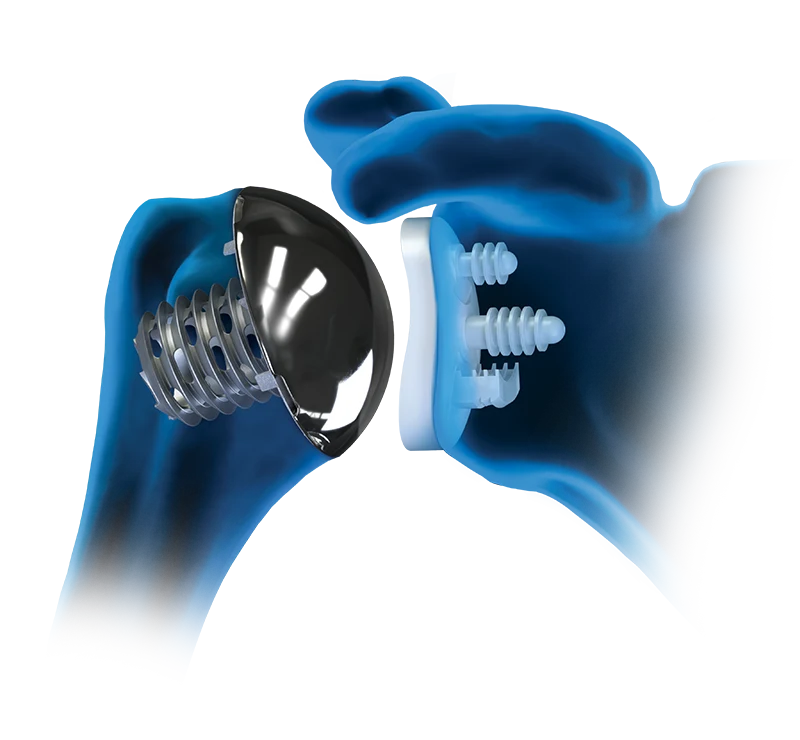
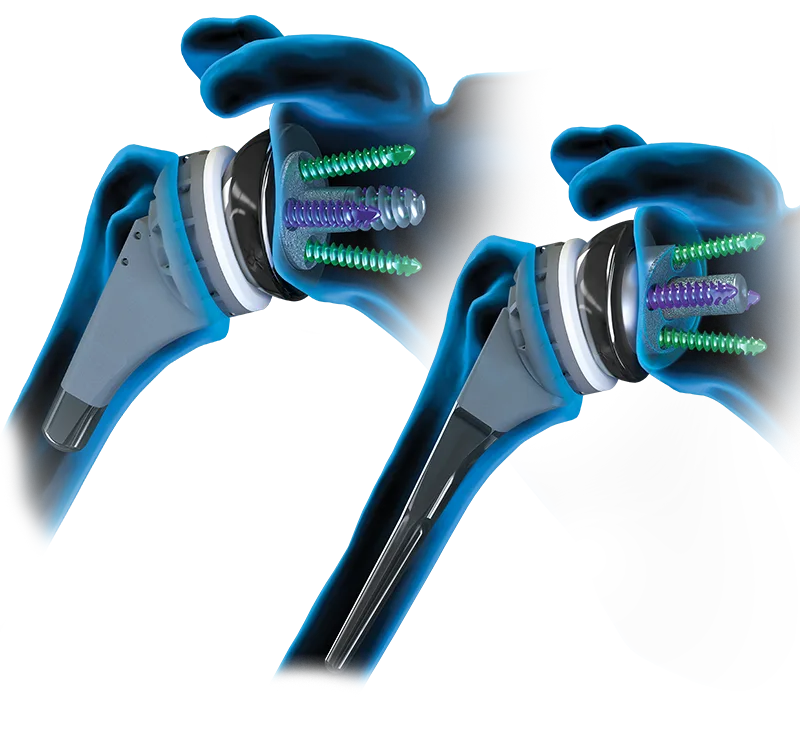
For patients who are candidates for shoulder replacement and wish to maintain an active lifestyle, stemless implant options offer a less invasive alternative. These implants are designed for individuals with good bone quality, as they require less bone removal compared to traditional shoulder replacements. The stemless design focuses on preserving more of the patient’s natural bone structure while still providing the necessary support and stability to the joint. This approach not only allows for a more natural range of motion but also makes future revisions easier if needed. By minimizing bone loss, stemless shoulder replacements help maintain the integrity of the bone, promoting quicker recovery and potentially extending the lifespan of the implant.
Frequently Asked Questions
What are the main non-surgical treatments for arthritis?
Non-surgical treatments for arthritis include physical therapy to improve joint function and strength, exercise to maintain mobility and manage weight, anti-inflammatory medications to reduce pain and swelling, and lifestyle modifications such as stress management and dietary changes. Additional options include joint injections with corticosteroids or hyaluronic acid for temporary relief and orthoBiologics like platelet-rich plasma (PRP) or stem cell therapy to promote healing.
How effective are physical therapy and exercise in managing arthritis symptoms?
Physical therapy and exercise are highly effective in managing arthritis symptoms by enhancing joint function, increasing flexibility, and strengthening the muscles around the affected joints. Regular, low-impact exercises such as swimming or cycling can help reduce pain, improve mobility, and prevent further joint deterioration. Tailored physical therapy programs can also address specific joint issues and improve overall quality of life.
What surgical options are available for severe arthritis, and how do they work?
Surgical options for severe arthritis include arthroscopy, which involves using a small camera and instruments to clean out damaged tissue within the joint; osteotomy, a procedure to realign bones and redistribute weight; and joint replacement surgery, where the damaged joint is replaced with an artificial one. These surgeries aim to alleviate pain, restore joint function, and improve the patient’s overall mobility and quality of life.
How long is the recovery time after arthritis surgery, and what does rehabilitation involve?
Recovery time after arthritis surgery varies depending on the type of surgery performed and the patient’s overall health. For joint replacement, recovery can take several months, with the initial phase involving pain management and gentle movement exercises. Rehabilitation typically includes physical therapy to restore strength, flexibility, and joint function. Adhering to the rehabilitation plan and following the surgeon’s recommendations are crucial for a successful recovery and optimal long-term results.