Common Elbow Sports Injuries Explained: Treatments, Regenerative Medicine & Surgery
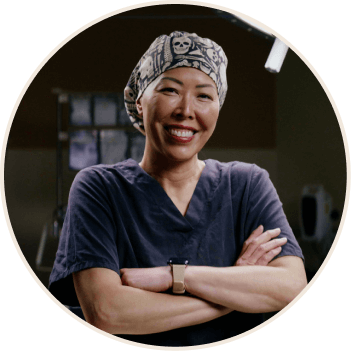
Dr. Nancy Yen Shipley
Board-Certified Orthopaedic Surgeon
Founder, Form & Function Orthopaedics
Common Elbow Injuries in Active Adults
Elbow pain is a frequent issue among active adults, athletes, and anyone who performs repetitive upper extremity tasks. The elbow is a powerful hinge joint that relies on strong tendons and balanced mechanics. When overloaded, it can develop irritation, inflammation, or tearing.
Below are some of the most common elbow injuries we see at Form and Function Orthopaedics.
1. Tennis Elbow (Lateral Epicondylitis)
Tennis elbow is caused by overuse of the tendons on the outside of the elbow. It affects far more than tennis players. Weightlifters, mechanics, painters, and anyone who repeatedly extends the wrist are at risk.
Typical symptoms include:
- Pain over the outer elbow
- Weakness with grip
- Discomfort when lifting or twisting objects
2. Golfer’s Elbow (Medial Epicondylitis)
Golfer’s elbow involves the tendons on the inside of the elbow. Any activity that repeatedly flexes the wrist or grips forcefully can trigger symptoms, including golf, climbing, and gardening.
Common signs include:
- Aching or sharp pain along the inner elbow
- Pain with gripping or lifting
- Reduced wrist-flexion strength
3. Distal Biceps Tendinitis and Tears
The distal biceps tendon attaches at the front of the elbow and is stressed during lifting or pulling. Tendinitis causes pain, stiffness, and weakness. A full tear may result in a noticeable bulge in the upper arm and significant loss of strength.
Complete distal biceps tears often require surgical repair to restore function.
4. Distal Triceps Tendinitis and Tears
Pain in the back of the elbow may involve the triceps tendon. This is common in athletes who perform forceful pushing or throwing movements. Partial injuries cause pain and weakness with elbow extension. Complete tears typically require surgical repair to regain strength.
How We Diagnose Elbow Injuries
A precise diagnosis guides effective treatment. We use a combination of:
- Clinical examination to assess movement, strength, and tenderness
- Ultrasound to visualize tendons and soft tissue in real time
- X-rays to evaluate for bony abnormalities
- MRI, when needed, for detailed assessment of tendon integrity and joint structures
Conservative Treatments
Most elbow injuries improve with non-operative care. Treatment may include:
- Activity modification
- Physical therapy focused on strength, flexibility, and biomechanics
- Bracing or taping for support
- Anti-inflammatory strategies
- A structured home exercise program
These approaches often reduce pain and restore function without surgery.
Orthobiologic Treatment Options
If symptoms persist despite conservative care and you want to avoid surgery, orthobiologic treatments may offer an intermediate option. These procedures use your own blood or tissue and are performed in the clinic with minimal downtime.
Platelet Rich Plasma (PRP)
PRP is created from a patient’s own blood and processed to concentrate platelets. Platelets contain signaling molecules that may support a more favorable environment for tendon healing in select cases.
Bone Marrow Aspirate Concentrate (BMAC)
BMAC uses a sample of your own bone marrow that is collected and processed during the same procedure. BMAC is considered investigational in orthopedics and may be discussed for certain persistent tendon problems.
Microfragmented Adipose Tissue (MFAT)
MFAT is obtained from a small sample of your own fat tissue that is mechanically processed and reinjected during the same procedure. MFAT is also investigational and may be considered for select patients as part of a broader treatment plan.
These orthobiologic options do not replace torn tendons, and none are FDA approved for specific orthopedic conditions. They may be appropriate for individuals with tendinitis or partial tendon injuries who want to explore biologic strategies within a safe and evidence-informed framework.
When Surgery Is the Best Option
Surgery is recommended when:
- The tendon is fully torn
- Strength loss affects daily function
- Conservative and orthobiologic treatments have been exhausted
Modern surgical techniques are focused on restoring stability and function while supporting a safe return to activity.
Final Thoughts
Elbow pain does not have to sideline your active lifestyle. Whether you are dealing with chronic tendinitis or a more significant tendon injury, we offer a full spectrum of care, from physical therapy and orthobiologic treatments to advanced surgical solutions.
At Form and Function Orthopaedics, we tailor each treatment plan to your goals so you can return to the activities you enjoy with confidence.
If you are experiencing elbow pain, visit f2ortho.com or call our office to schedule a consultation. We are here to help you move better, live stronger, and stay active at every stage of life.