Men’s Midlife Musculoskeletal Changes: How I Help You Stay Active Without Surgery
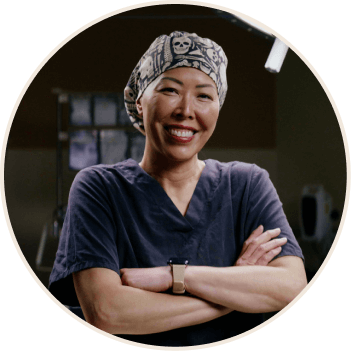
Dr. Nancy Yen Shipley
Board-Certified Orthopaedic Surgeon
Founder, Form & Function Orthopaedics
Introduction: A New Chapter, Not the End of the Road
As men enter midlife, staying active can start to feel like an uphill battle. You may notice your joints ache more after a round of golf, your recovery from workouts takes longer, or that familiar stiffness lingers longer each morning. These changes aren’t just in your head-they’re part of a natural shift in musculoskeletal health that affects many men in their 40s, 50s, and beyond.
The good news? These changes are manageable. And in most cases, they don’t require surgery. At F2 Orthopaedics, I help high-performing men like you stay active, strong, and pain-free using a range of advanced non-surgical solutions.
Understanding Midlife Musculoskeletal Changes
Midlife is a time of transition, and your body is no exception. Here are some common issues I see in my practice:
- Sarcopenia: Age-related muscle loss begins in your 40s and accelerates with inactivity. Less muscle means less joint support and a greater risk of injury.
- Joint Wear-and-Tear: Years of activity can lead to cartilage thinning, osteoarthritis, and pain in high-use joints like the knees, shoulders, and hips.
- Tendon and Ligament Changes: Connective tissues lose elasticity, making them more prone to strain and tears.
- Hormonal Shifts: A gradual drop in testosterone affects muscle mass, bone density, energy levels, and even mental focus.
My Patient-Centered, Non-Surgical Approach
When you come to see me, we start with a conversation: What’s bothering you? How is it limiting your lifestyle or performance? And most importantly-what do you want to get back to doing?
From there, we evaluate the root cause of your symptoms using a detailed physical exam, imaging (when necessary), and your personal goals. I don’t default to surgery. Instead, I build a plan that prioritizes longevity, function, and your preferences.
Top Non-Surgical Treatments for Midlife Men
- Regenerative Medicine: Platelet-Rich Plasma (PRP), microfragmented adipose tissue (MFAT), and bone marrow aspirate (BMAC) use your body’s own cells to reduce inflammation and support healing.
- Physical Therapy: Custom-tailored programs that rebuild muscle, improve joint mechanics, and prevent further injury.
- Joint Injections: Cortisone, hyaluronic acid (viscosupplementation), and orthobiologics to relieve pain and improve mobility.
- Strength Training Guidance: Building a safe, progressive training plan to restore strength without overloading aging joints.
When Surgery Makes Sense
There are times when surgery is the best course-for example, in full-thickness rotator cuff tears, ACL injuries, or joints that are fully degenerated. If that’s the case, I use state-of-the-art techniques to ensure precision and a faster recovery. But even then, your care is always built around your lifestyle and long-term performance.
Your Goals Are My North Star
Whether your aim is to summit a mountain, throw a ball with your kids, or simply move through the day without pain, I’m here to help. At F2 Orthopaedics, we don’t just treat joints-we optimize your whole musculoskeletal system for the second half of life.
Ready to Stay Active Without Surgery?
If you’re noticing changes in strength, flexibility, or joint comfort, let’s talk. Book a consultation at f2ortho.com, and let’s get you back to doing what you love-stronger, smarter, and more resilient than ever.