
Menopause and Joint Pain: Understanding the Musculoskeletal Syndrome of Menopause (and What You Can Do About It)
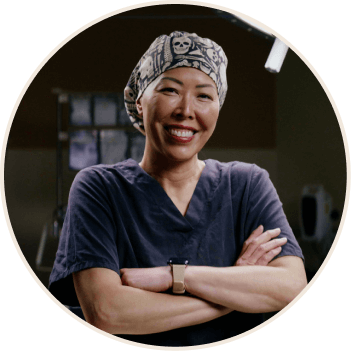
Dr. Nancy Yen Shipley
Board-Certified Orthopaedic Surgeon
Founder, Form & Function Orthopaedics
Feeling like your body’s falling apart? You’re not imagining things-and you’re definitely not alone. For millions of women, perimenopause and menopause bring more than just hot flashes and mood swings. They also trigger changes in joint health, muscle tone, and recovery time that are often overlooked.
As an orthopedic surgeon, I see this all the time: women in their 40s and 50s coming in with unexplained joint pain, stiffness, frozen shoulder, and worsening arthritis, often told that “everything looks fine” on imaging.
But here’s the truth: there is a name for this. It’s called the musculoskeletal syndrome of menopause, and recognizing it is the first step to managing it well.
What Is the Musculoskeletal Syndrome of Menopause?
Keyword targets: menopause joint pain, menopause muscle pain, estrogen and inflammation, menopause body aches
The musculoskeletal syndrome of menopause refers to a collection of physical symptoms driven by declining estrogen and its effects on the body’s connective tissues and inflammation pathways.
Common Symptoms Include:
- New or worsening joint pain (especially in knees, hips, shoulders, and hands)
- Morning stiffness that improves with movement
- Muscle aches and tenderness
- Frozen shoulder or limited shoulder motion
- Increased risk of injury during physical activity
- Faster loss of muscle mass and strength
These symptoms aren’t “just aging.” They’re tied to hormone shifts that affect collagen, tendon elasticity, and inflammatory response-making muscles and joints more vulnerable to wear and tear.
Why Does Menopause Cause Joint and Muscle Pain?
Estrogen plays a protective role in your joints and soft tissues. It helps regulate:
- Inflammation levels
- Collagen synthesis
- Muscle recovery
- Joint lubrication and cartilage maintenance
As estrogen declines:
- Inflammation increases
- Tissue repair slows
- Tendons become less elastic
- Cartilage breaks down more quickly
No wonder you feel like you’ve aged a decade in just a few years.
Frozen Shoulder: A Common Menopausal Culprit
Keyword targets: frozen shoulder menopause, shoulder stiffness after 40, adhesive capsulitis treatment
One of the most common and frustrating conditions I see in midlife women is frozen shoulder (adhesive capsulitis). It often starts gradually, with pain and stiffness that worsens over time.
Why it happens:
Hormonal changes may affect the collagen in your shoulder capsule, causing it to tighten and restrict movement.
What you can do:
- Early physical therapy is key
- Anti-inflammatory injections or PRP may reduce pain
- In stubborn cases, surgery can help restore motion
Menopause and Worsening Arthritis
Keyword targets: menopause and arthritis, menopause joint deterioration, estrogen cartilage protection
If you’ve already been diagnosed with osteoarthritis, menopause can speed up progression. Without estrogen’s protective effects, cartilage deteriorates faster, and the inflammation driving arthritis becomes harder to control.
Most affected joints:
- Knees
- Hips
- Hands
- Spine
- Shoulders
What helps:
- Weight-bearing exercise to maintain bone and cartilage strength
- Weight management to reduce joint load
- Regenerative treatments (like PRP or MFAT) to slow damage and reduce pain
- Early intervention to prevent loss of function
Morning Stiffness and Muscle Aches: It’s Not Just You
Keyword targets: morning stiffness menopause, muscle aches during menopause, menopause fatigue and soreness
Many women notice that getting out of bed feels harder than it used to. Estrogen decline can contribute to:
- Muscle soreness after light activity
- Poor recovery from exercise
- Longer warm-up times needed for flexibility
This is especially frustrating for women who’ve always been active-and now feel like their body is betraying them.
How to Stay Strong and Pain-Free Through Menopause
Keyword targets: exercise during menopause, how to reduce joint pain naturally, menopause muscle loss prevention
Here are three practical tips to protect your musculoskeletal health through this transition:
1. Prioritize Strength Training
Lifting weights helps preserve lean muscle mass, protects joints, and supports better posture and mobility.
2. Eat Anti-Inflammatory Foods
Focus on nutrient-dense choices like:
- Fatty fish (omega-3s)
- Leafy greens
- Berries
- Olive oil
- Avoid processed sugars and refined carbs that worsen inflammation.
3. Stay Flexible
Daily mobility work, yoga, or stretching can reduce stiffness and improve joint function-especially in your hips, spine, and shoulders.
When to See a Specialist
If you’re experiencing:
- Ongoing or worsening joint pain
- Shoulder stiffness or pain with no known injury
- Early signs of arthritis progression
- Reduced mobility affecting your daily life
…it’s time to check in with a musculoskeletal specialist. The earlier you intervene, the more options you have to avoid surgery, manage pain naturally, and stay active.
Regenerative Options for Menopausal Joint Pain
At Form & Function Orthopaedics, we offer regenerative orthopedic care for midlife women, including:
- PRP (Platelet-Rich Plasma)
- MFAT (Microfragmented Adipose Tissue)
- BMAC (Bone Marrow Aspirate Concentrate)
These therapies help reduce inflammation, support soft tissue healing, and may slow joint degeneration-without relying on chronic NSAID use or hormone-altering meds.
Learn more about regenerative medicine here »
The Bottom Line
Menopause may bring new physical challenges-but with the right tools and guidance, you can stay strong, active, and pain-free. Understanding the musculoskeletal changes of midlife isn’t just about surviving-it’s about thriving.
You deserve a care team that sees the full picture and offers real solutions-not dismissals.
Ready to Reclaim Your Strength and Mobility?
If you’re navigating joint pain, stiffness, or loss of strength during menopause, we’re here to help. From personalized diagnostics to regenerative treatments and surgical expertise when needed, Form & Function Orthopaedics is your partner in midlife movement.
👉 Schedule your consultation today »
Serving women in Portland, Beaverton, Lake Oswego, Tigard, and beyond.
Most-Searched Topics This Blog Helps Answer:
- Why do my joints hurt during menopause?
- How does estrogen affect joint health?
- What is frozen shoulder and why is it common in midlife women?
- How can I treat arthritis during menopause naturally?
- What’s the best exercise for joint pain in perimenopause?
- Do hormone changes cause muscle stiffness?
- PRP for perimenopausal joint pain
- How to avoid surgery for arthritis in your 40s and 50s