
Why Perimenopausal Joint Pain Happens and How PRP Therapy May Help
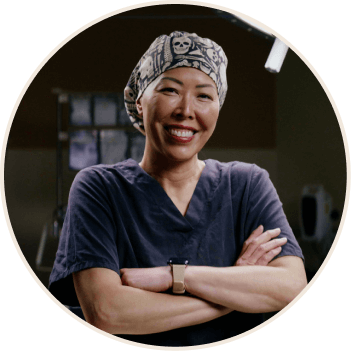
Dr. Nancy Yen Shipley
Board-Certified Orthopaedic Surgeon
Founder, Form & Function Orthopaedics
If you are a woman in your forties or fifties and have started noticing new joint pain, morning stiffness, or aches that do not show up clearly on imaging, you are not imagining it and you are not alone.
One of the most common and under-recognized symptoms of perimenopause is musculoskeletal pain, especially in the knees, hips, shoulders, hands, and lower back. Many women are told this is “just aging” or are offered only medications or surgery as solutions. There are other options.
Platelet Rich Plasma, or PRP, is one of the orthobiologic treatments that may be considered as part of a nonsurgical plan to support comfort and function in midlife.
What Causes Joint Pain During Perimenopause
Perimenopause is the transition period before menopause, when estrogen and other hormones begin to fluctuate and gradually decline. While hot flashes and mood changes are often recognized, there are additional symptoms that can significantly affect quality of life.
Common perimenopause-related symptoms include:
- Joint and muscle aches
- Fatigue
- Sleep disruption
- Weight changes
- Mood shifts or increased anxiety
- Vaginal dryness
- Dry skin and hair changes
For many women, joint pain and stiffness are among the earliest and most persistent complaints.
Estrogen and Joint Health
Estrogen is not only a reproductive hormone. It plays an important role in maintaining cartilage quality, tendon and ligament health, and overall joint comfort. As estrogen levels drop, joints may feel stiffer, soft tissues may become more irritable, and inflammation can become more noticeable in frequently used areas.
These changes can appear even when imaging findings are mild. This mismatch between symptoms and scans is one reason women are sometimes dismissed or told that “nothing is wrong.”
Common Joints Affected During Perimenopause
Some areas are especially prone to symptom flares during this transition:
- Knees
Weight-bearing joints often become more sensitive to load. Hormonal changes can contribute to cartilage wear and discomfort with stairs, squatting, or prolonged standing. - Hands and Fingers
Stiffness and aching in the small joints of the hands are common on waking. Existing hand arthritis or nerve compression syndromes can worsen. - Hips
Changes in muscle strength and connective tissue irritability around the hip can lead to bursitis, groin pain, or tendon pain. - Shoulders
Frozen shoulder, or adhesive capsulitis, is more frequent in perimenopausal women. Symptoms often include pain at night and restriction in raising the arm. - Lower Back and Feet
Degenerative changes in the spine and feet may become more symptomatic. Plantar fasciitis and back stiffness are frequently reported.
Where PRP Therapy Fits In
Platelet Rich Plasma is an autologous orthobiologic treatment that uses a patient’s own blood. A small sample of blood is drawn and processed to concentrate the platelets. This platelet rich solution is then injected into the joint or soft tissue under ultrasound guidance.
Platelets naturally contain biologic signaling molecules that help regulate inflammation and support the body’s normal healing responses. PRP does not replace hormone therapy or other systemic treatments, but it may be considered for targeted support in areas that remain painful despite standard care.
PRP for musculoskeletal conditions is considered investigational and is not FDA approved for specific orthopedic indications. However, it is used in many orthopedic practices as part of an evidence-informed approach.
Potential Benefits of PRP for Perimenopausal Joint Pain
While responses vary, PRP is often discussed in this context because it:
- Uses your own biology rather than synthetic medication
- Targets specific painful joints or tendons rather than acting systemically
- May help reduce localized inflammation and support a healthier tissue environment
- Can be combined with physical therapy, strength training, and load management
PRP is typically chosen by women who want to avoid repeated steroid injections, reduce reliance on pain medications, or delay more invasive procedures.
PRP Therapy at Form and Function Orthopaedics
At Form and Function Orthopaedics, PRP injections are performed by Dr. Nancy Yen Shipley using ultrasound guidance for accuracy and safety. Treatment is individualized, with particular attention to how perimenopause and hormonal changes intersect with joint mechanics, strength, and recovery.
A typical PRP visit includes:
- A focused consultation and examination
- Review of imaging when appropriate
- Discussion of expectations, activity modifications, and rehabilitation
- Ultrasound-guided PRP injection into the involved area
PRP can be considered for knee pain, frozen shoulder, hip and gluteal tendinopathy, hand and wrist issues, and other joint or soft tissue problems commonly seen in midlife.
Symptoms That Should Prompt Evaluation
If you are in your forties or fifties and notice any of the following without a clear injury, it may be worth exploring whether perimenopause is contributing:
- New or worsening joint pain
- Morning stiffness that improves with movement
- Pain with repetitive motion such as stairs, typing, or reaching overhead
- Gradual onset of shoulder stiffness or inability to raise the arm
- Tendon or ligament pain that does not improve with basic rest
You do not need to accept these symptoms as “just getting older” or settle for being told that nothing is wrong because imaging is mild.
Taking the Next Step Toward Relief
PRP is not a cure for perimenopause and it is not appropriate for every type of joint problem. It is one of several tools that can be considered in a thoughtful, layered plan that may also include hormone evaluation, physical therapy, strength training, and, when necessary, surgical options.
If perimenopausal joint pain is affecting your work, sleep, or ability to stay active, a comprehensive evaluation can help clarify which options fit your goals.
To learn whether PRP therapy may be appropriate for your situation, visit f2ortho.com or call our office to schedule a consultation.
We serve women throughout Portland, Lake Oswego, Beaverton, Tigard, and the surrounding communities.